Amar Seva Sangam and Giftabled Strengthen Early Intervention Through Knowledge Partnership
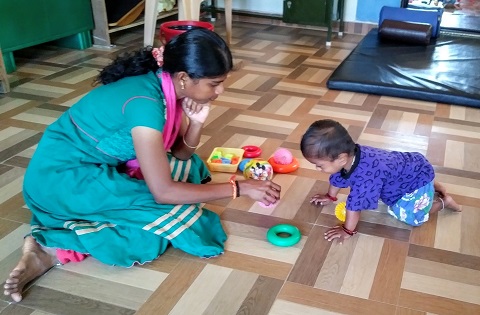
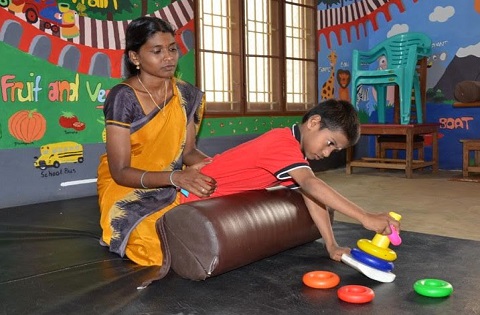
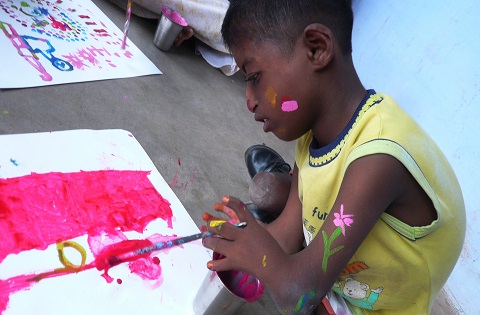
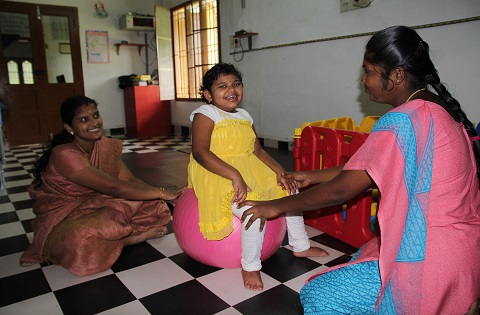
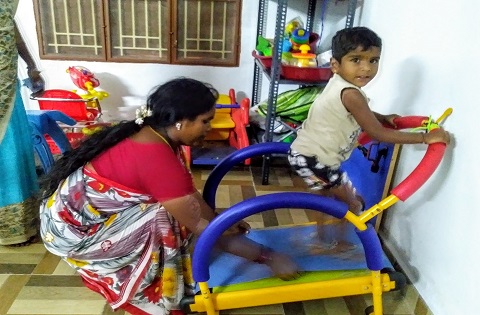
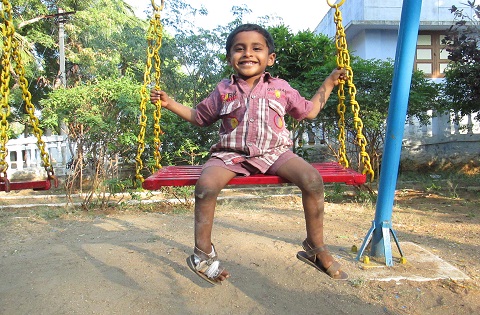
Early Intervention plays an important role in identifying developmental concerns, understanding the individual needs of children and supporting their participation in everyday life. Strengthening the capacity of professionals who work directly with children is therefore an important part of building effective Early Intervention services.
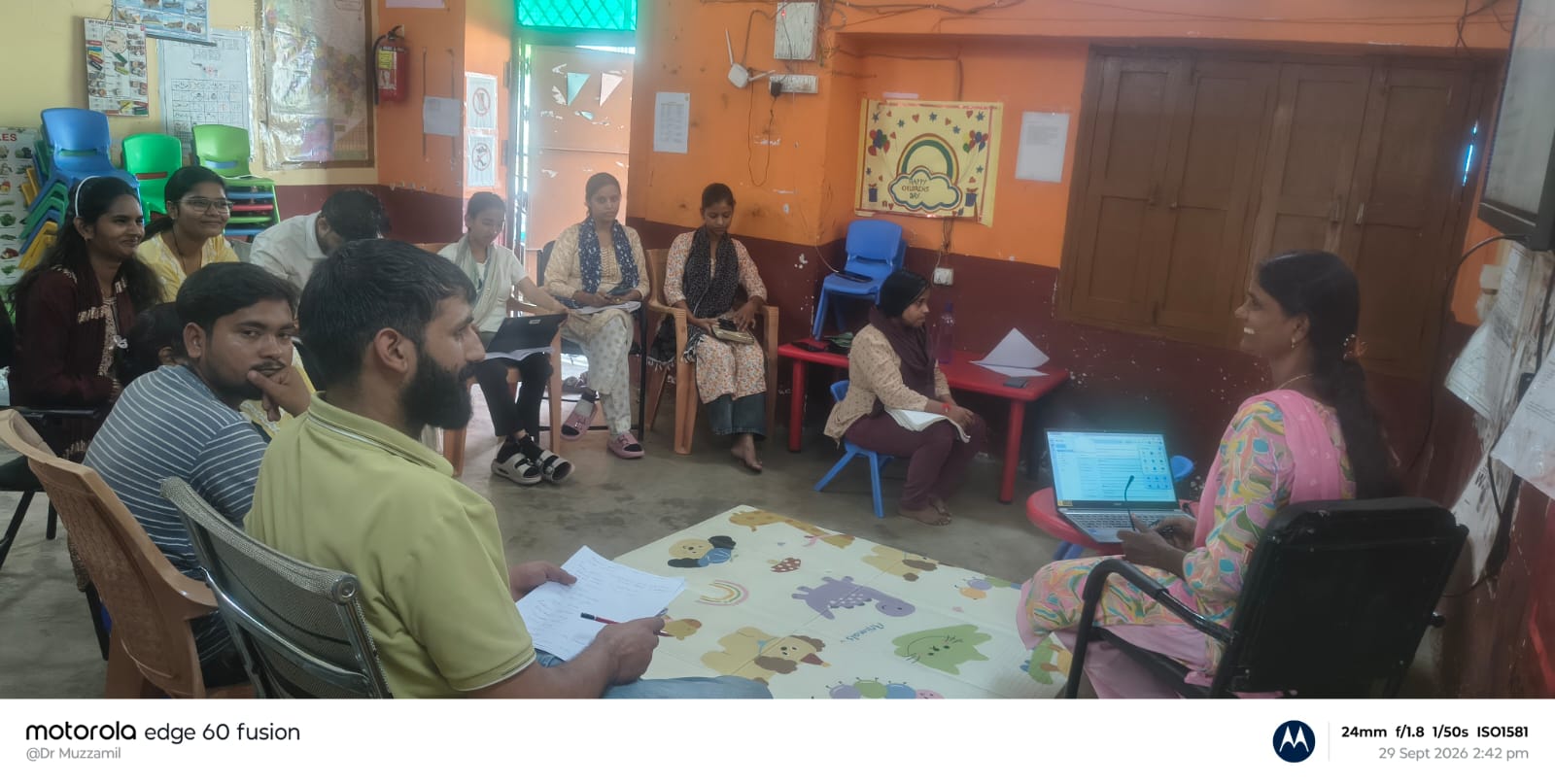
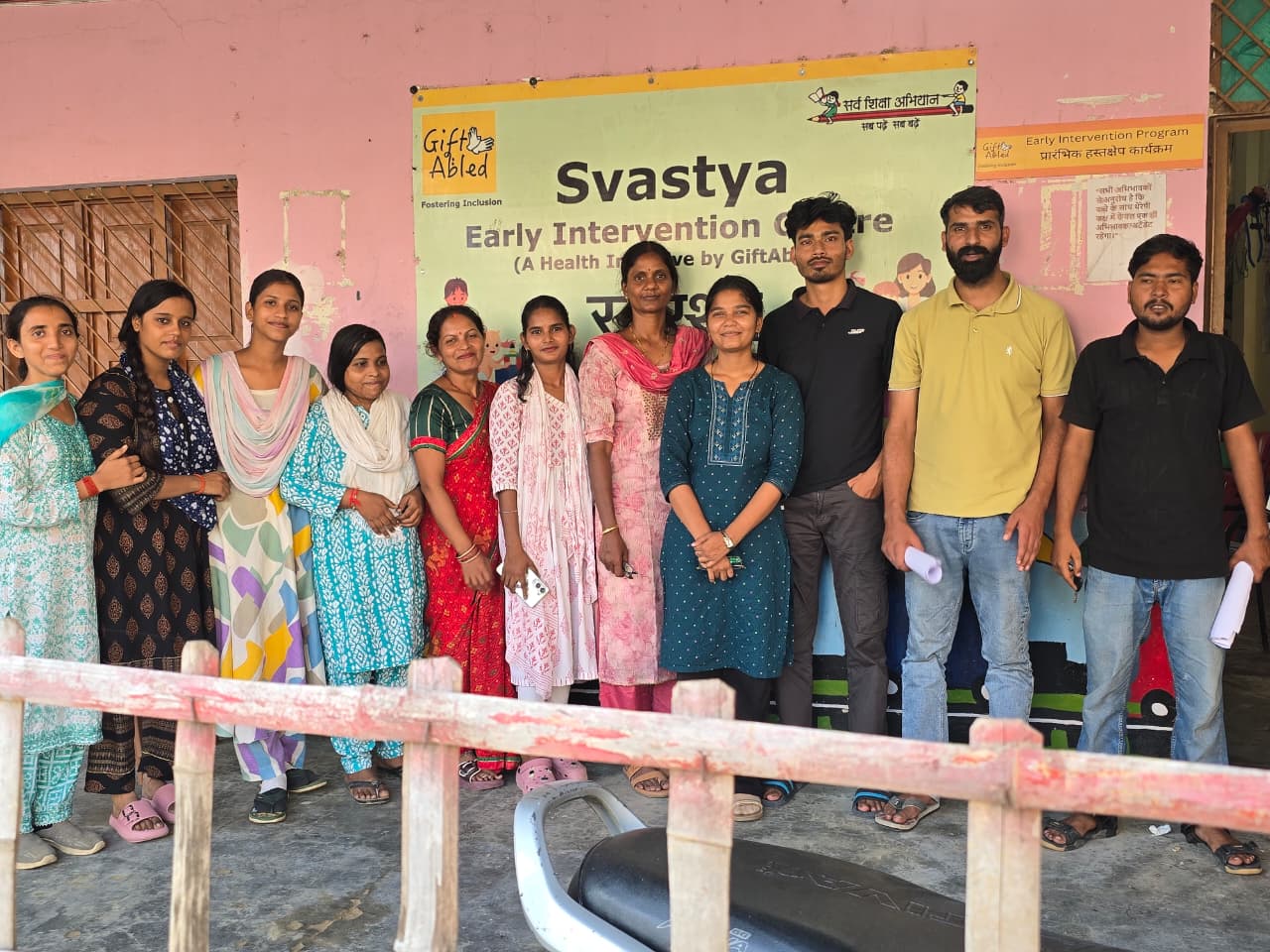
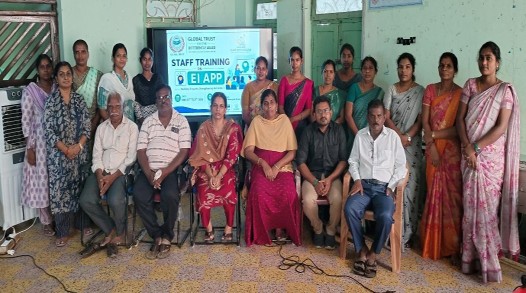
As part of its recent Knowledge Partnership with Giftabled, Amar Seva Sangam (ASSA) conducted a capacity-building programme for the staff of the Giftabled Early Intervention Centre, Balrampur, from 28 September to 1 October 2026.
The engagement was initiated after Giftabled approached Amar Seva Sangam for technical support to strengthen its Early Intervention programme. Before planning the training, the ASSA team held discussions with the Giftabled team and conducted an online observation session to understand their existing practices and areas where further support could be provided. Based on these discussions and observations, a structured training programme was developed with a focus on child development, assessment, physiotherapy, practical application and holistic intervention.
From Understanding Development to Planning Intervention
The programme began with sessions on child development and developmental domains, helping participants revisit the principles of typical development and understand their importance in recognising developmental delays and planning appropriate intervention.
The training then moved towards holistic assessment, with participants introduced to the different areas that need to be observed while assessing a child. The sessions also included an introduction to sensory processing and sensory processing difficulties and their relevance to children attending Early Intervention programmes.
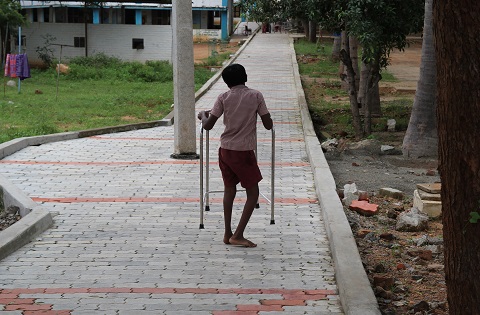
A dedicated session on physiotherapy assessment covered observation of posture and movement, primitive reflexes, muscle tone, selected special tests and the Gross Motor Function Classification System (GMFCS).
Taking Learning Beyond the Training Room
One of the important aspects of the programme was the emphasis on practical learning.
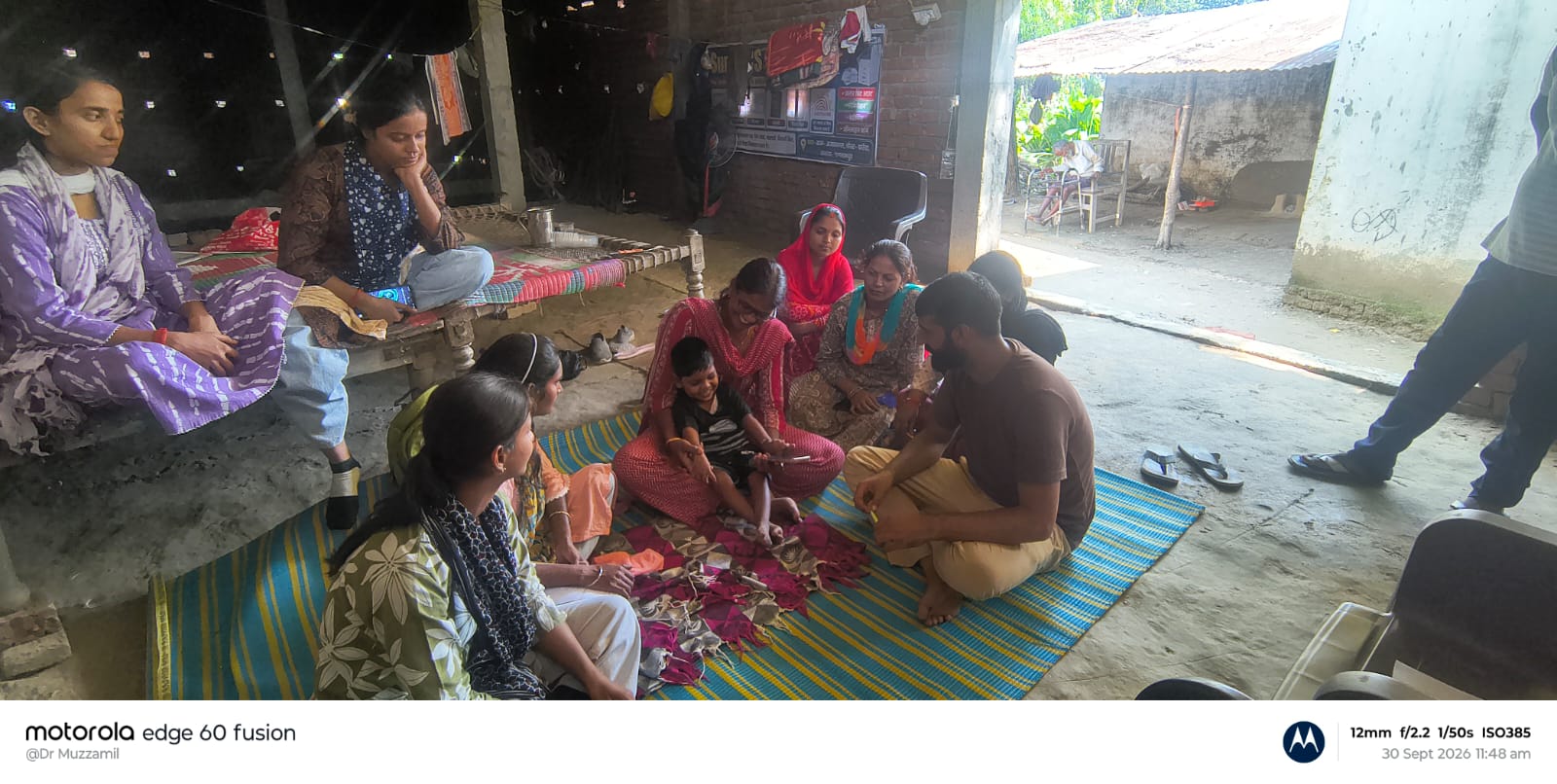
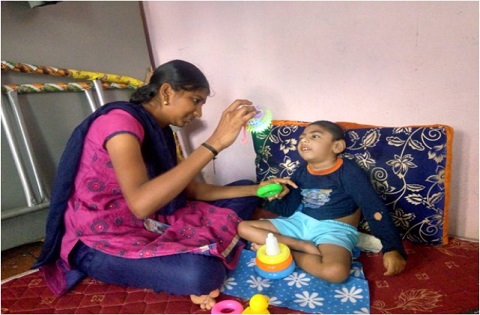
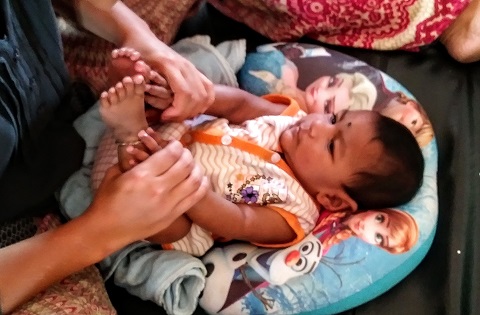
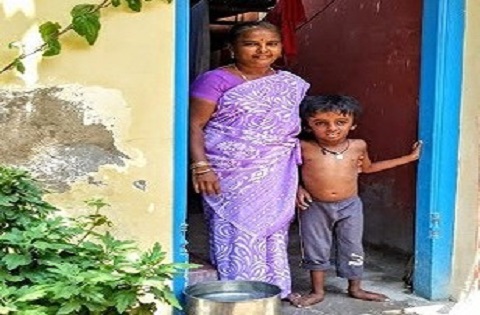
The ASSA team accompanied Giftabled staff during a field visit to observe home-based services. The participants had an opportunity to observe children in their actual environments and subsequently practise the holistic and physiotherapy assessment approaches introduced during the earlier sessions.
This helped connect classroom learning with the functional needs of individual children and demonstrated how assessment findings can inform intervention planning in real-life settings.
The programme also included case study discussions and practical demonstrations of the Gross Motor Function Measure (GMFM). Assessment findings from the field visit were discussed with the team, providing an opportunity to review observations, identify areas requiring further assessment and consider intervention needs. Vision assessment was also demonstrated during the session.
Introducing a Broader Perspective to Intervention
The final component of the programme introduced participants to the International Classification of Functioning, Disability and Health (ICF) framework and the concept of holistic intervention.
The discussion encouraged participants to consider the child beyond the impairment itself and to take into account activities, participation, environmental factors and individual needs when planning intervention.
This approach reflects the importance of looking at the child within the context of everyday life and not limiting assessment and intervention planning to clinical findings alone.
Continuing the Journey Beyond Training
The training also provided an opportunity to understand areas where continued support could strengthen the Early Intervention programme. The Giftabled team demonstrated interest in applying the concepts introduced during the sessions, while the training experience highlighted the importance of regular practice, mentoring and continued practical exposure in developing professional competency.
Based on the training experience, Amar Seva Sangam has proposed continued capacity-building support for Giftabled. This includes the development of an Early Intervention Centre Programme Manual covering key processes, assessment approaches, intervention principles, documentation and standard practices.
The partnership can also include periodic online training and case study presentations, providing opportunities for the team to discuss clinical situations and strengthen their learning over time. Another proposed area of collaboration is the development of selected Giftabled staff as Master Trainers, who can subsequently contribute to the orientation and ongoing capacity building of other team members within the organisation.
Strengthening Services Through Knowledge Sharing
For Amar Seva Sangam, the collaboration with Giftabled represents the value of knowledge sharing as a means of strengthening rehabilitation services.
Over the years, ASSA has developed experience in Early Intervention, rehabilitation, assessment and capacity building. Through knowledge partnerships, this experience can be shared with organisations working in different settings, supporting their teams to develop structured practices that are responsive to the needs of children and families.
The collaboration with Giftabled is an important step in this direction. The training in Balrampur brought together technical knowledge, practical exposure and continued mentoring, creating a foundation for further professional learning.
As both organisations continue this partnership, the focus remains on strengthening Early Intervention practices and supporting teams to translate knowledge into meaningful practice for children and families.